Press

Elegant New York City residences designed by Robert A.M. Stern Architects
Paul Whalen is a partner at the world-renowned architecture firm Robert A.M. Stern Architects (RAMSA). Whalen is a master at infusing the best of 20th century traditional co-op design with the conveniences and necessities of 21st-century modern lifestyles. CityRealty caught up with Whalen to talk about some of the firm's successful buildings, how architecture is like music, and why he swoons over traditional floor plans.
RAMSA's buildings always have a stately elegance that is firmly rooted in tradition. Why do you think that appeals to people?
I'm not sure that our aim is always to create stately elegance, but perhaps that is sometimes the result of working within the many varieties of classicism. Traditions are in essence the DNA of the best ideas that have withstood the test of time. And the reason these ideas survive is that they work well and appeal to a large number of people. With that kind of history behind architectural traditions, it's little wonder that they remain popular. We may be using iPhones and flying on jet planes these days, but what appeals to us as human beings hasn’t changed that much in the last couple of hundred years; it's only been a few generations after all. So the classic proportions of a square room or a room with a 1:2 ratio are naturally appealing in their simplicity and sense of order.
Architecture has been referred to as frozen music. The comparison is apt because, just as in a great piece of music, in architecture, there are themes that are repeated in different ways; there is often a narrative; and the proportional system is best when it incorporates all aspects of the building, in the way that most traditional music works within a tonal system.
Stately implies a formality that we may wish to use on some of our projects, but not on all of them. Elegance, on the other hand, is about timeless appeal and simplicity. Particularly in a residence, most people don’t want to be challenged. People may want to be challenged in a restaurant, a bar, or a store, but when they get home to their primary residence they're looking for an oasis from the cacophony of life outside.
How do RAMSA's upscale NYC condos compare to prestigious prewar buildings designed by Emery Roth and Candela?
Although many think of our firm as one that designs traditional New York apartment buildings, there are large differences between what we do and what someone such as Candela might have done in the 1920s. First, our windows are much bigger, so there is more light no matter what type of floor plans are developed inside. Then the designs we use for baseboards and ceiling trim may have roots in tradition but are much more abstract and less fussy than traditional historic detailing. We like to provide cased openings between entertaining rooms that can be fitted with swinging or pocket doors. This strategy makes for a clearer and bolder connection between rooms, while still maintaining the flexibility for privacy if desired.
We occasionally take a page from traditional French planning and use enfilades: the alignment of multiple doorways along an axis. Importantly, these enfilades were typically located near the windows of an outside wall, allowing for expansive diagonal views from one room through to the windows of the next room, doubling the amount of light and view. So where possible I like to locate connecting doors close to an outside wall. Finally, many of our new buildings have ceiling heights that are as tall or taller than prewar buildings, adding to the sense of openness.
What are your general feelings about open versus traditional floor plans?
They are both viable from an architectural point of view if done well, but they each follow different rules, like French and English. I personally like more traditional plans because I like clearly defined rooms that allow for different worlds to coexist within the boundaries of one home. If more than one person lives in an apartment, defined rooms give more options for private time, and they offer the possibility of separating noisy activities from quiet ones. At the same time, I like to be able to throw open doors and connect rooms, giving me longer vistas and a way of seeing the different worlds at once.
Frankly, I'm also a bit of a romantic, so I’m drawn to the great room-making traditions of classic New York apartment buildings such as 740 Park Avenue.
Do you think the pendulum has shifted back to traditional layouts and away from the open plan?
It really depends on what part of the country you're building in and the size of the apartment. In small apartments, a more open plan makes sense so that various functions such as a living room, dining room, kitchen, and even an entry hall can share the same space. There is a lot of personal preference as to how different living spaces should interact in larger residences, but on the East Coast, we find there is a large market for more discrete rooms. In the West and Midwest, the preference is definitely for more open plans, often with the kitchen completely open to the living room.
The open arrangement can be beautiful if the kitchen is carefully designed to look like a great piece of furniture. I prefer a separate kitchen even in a smaller apartment, so I don’t have to clean everything every time a friend comes over. I like the idea that an apartment can have some spaces that are more "front-of-house" and others that are more "back-of-house", as they say in the hotel business.
However, when I design an apartment, I don’t design it for myself—I do the best job I can designing it for a particular market. Sometimes in a less developed market, an architect needs to get together with a developer and educate the local market to get them to understand that there are better ways to live than what they have been exposed to. That’s what separates a visionary developer from someone who just wants to reproduce the last successful building in their market.
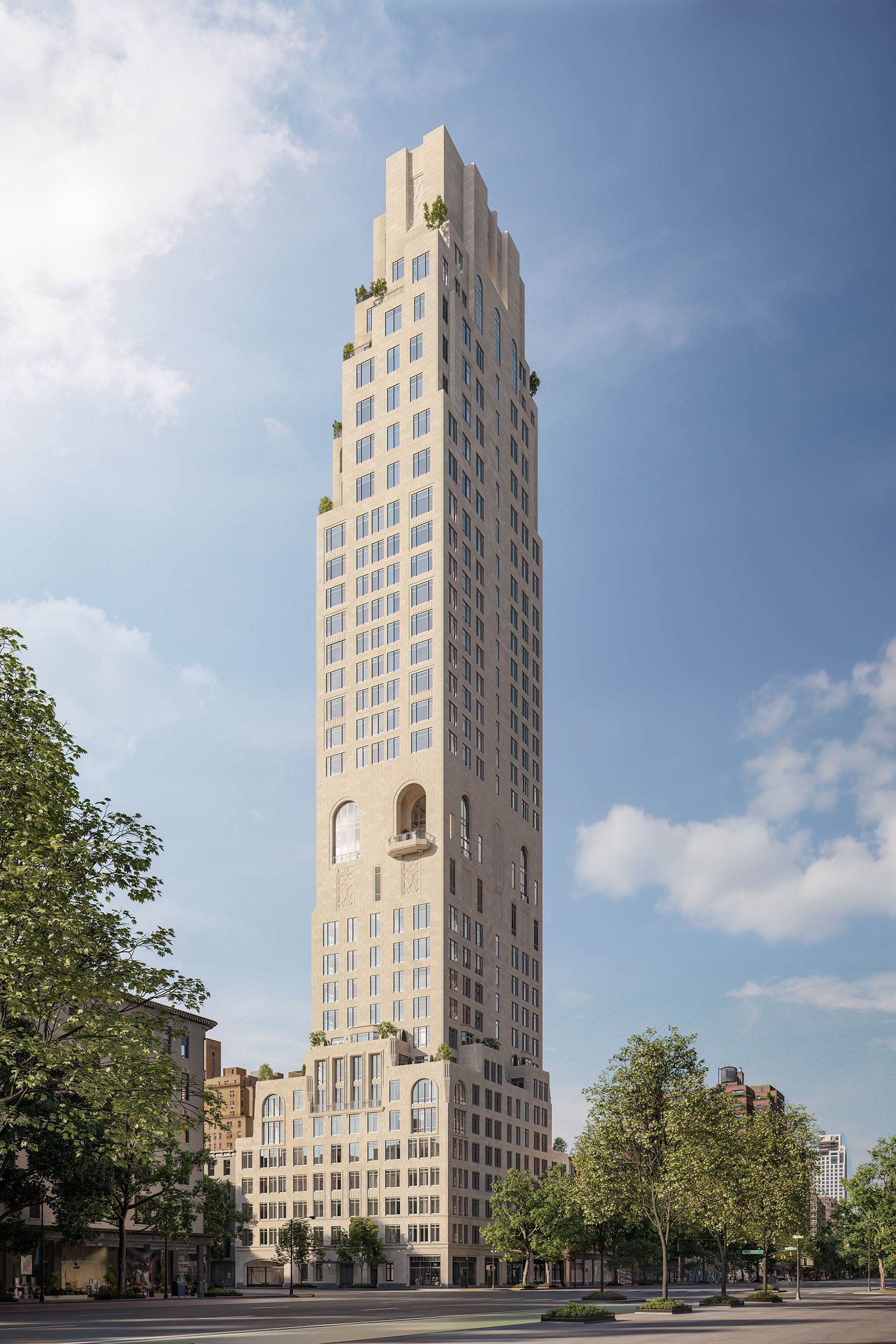
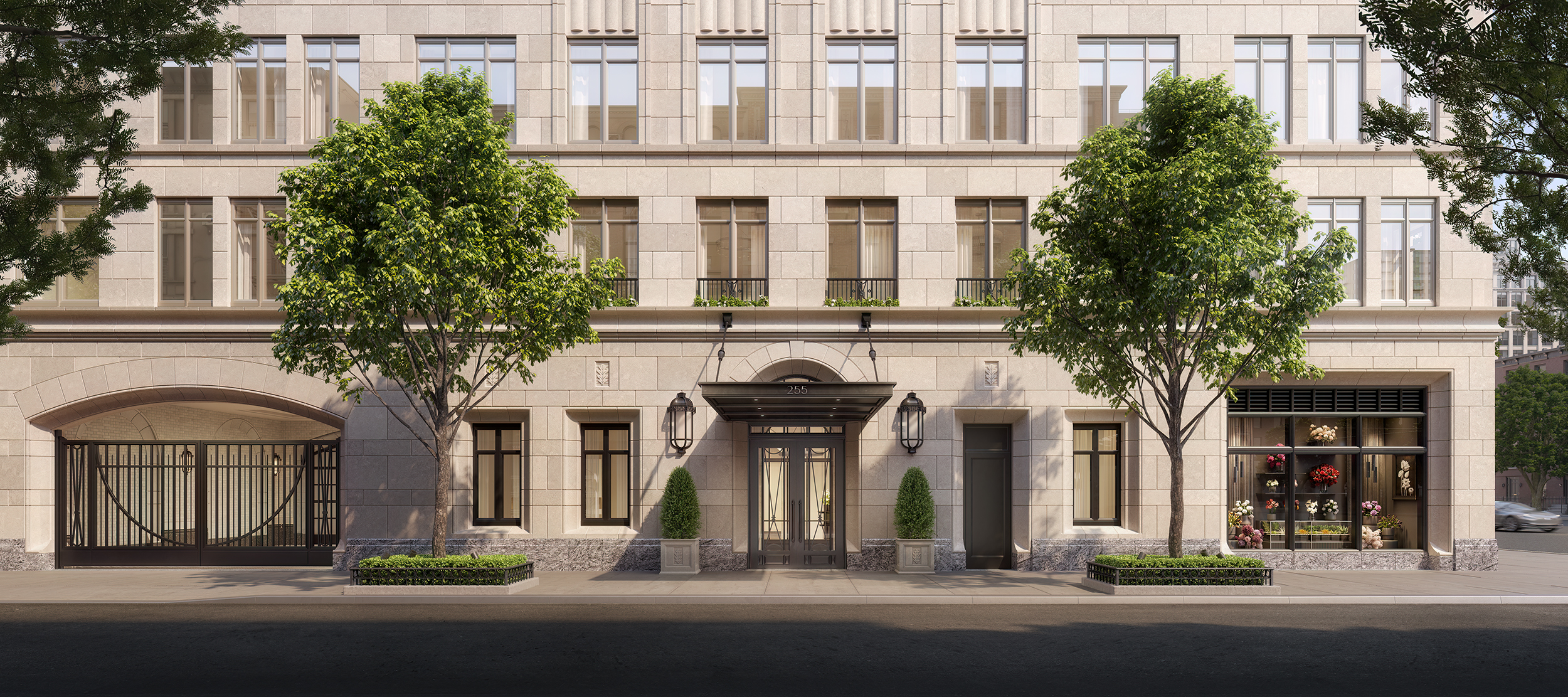
Construction is still underway at 255 East 77th Street, but sales got off to a robust start in fall 2024. Renderings submitted to the Department of Buildings suggest a design rooted in classical traditions with a limestone facade and arched windows on select floors.
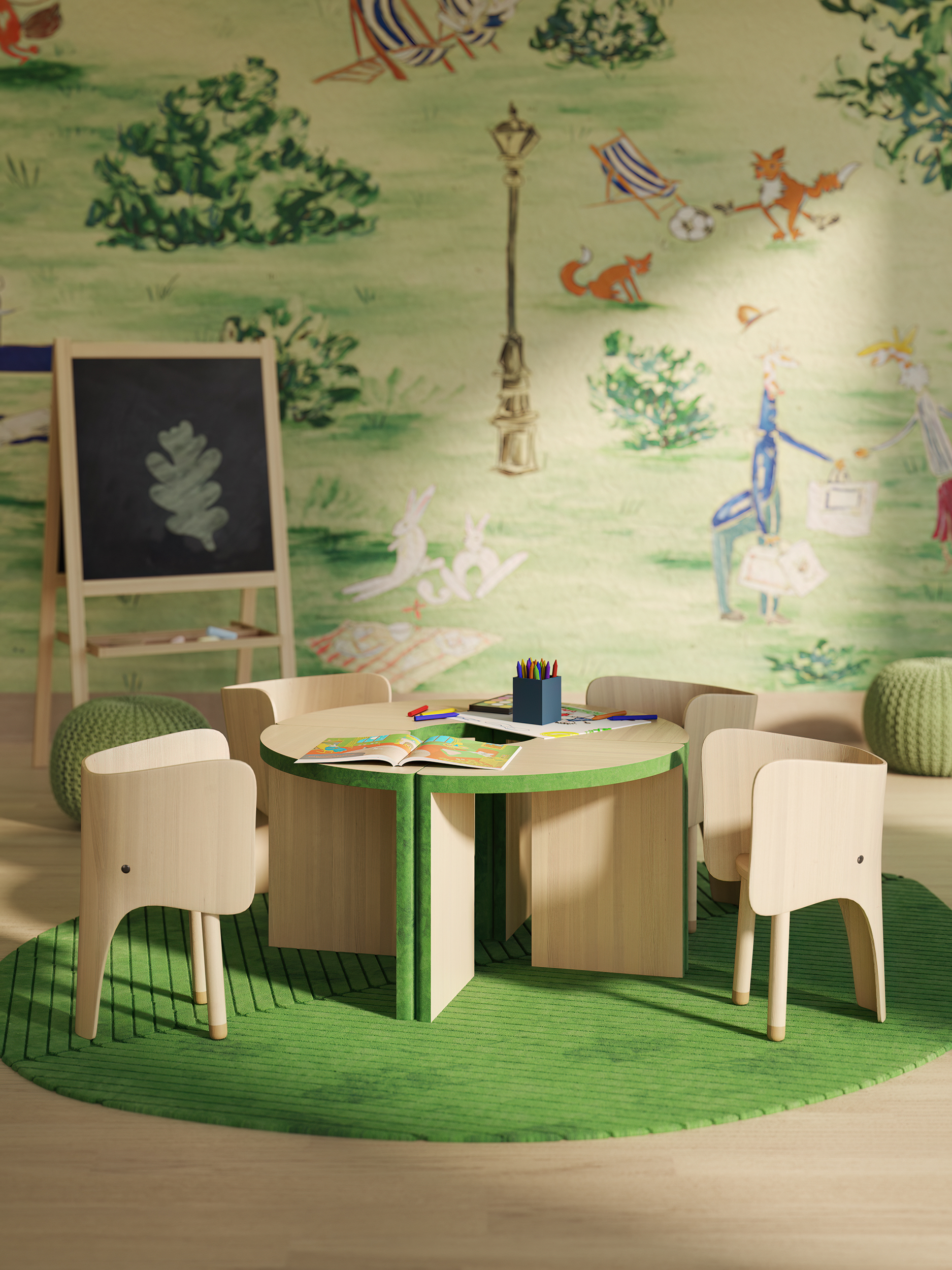
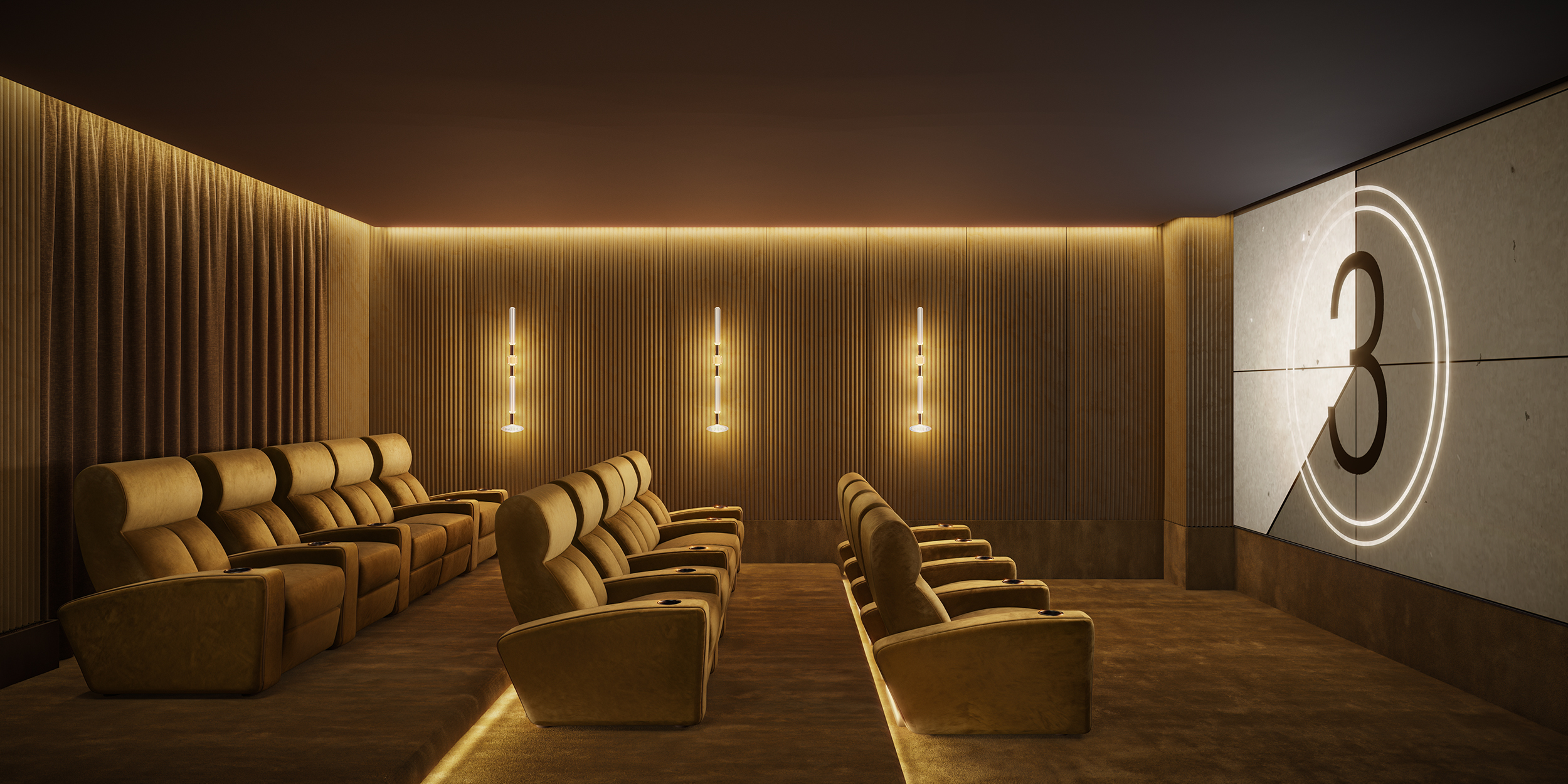
All units feature oversized windows, eat-in kitchens with honed Calacatta marble countertops and Miele and Sub-Zero appliances, luxe primary baths with rain showers and radiant heated floors, and generous storage space throughout. The amenities are located on the 15th and 16th floors to make the most of beautiful views, and include a 75-foot lap pool, a state-of-the-art fitness center, a spa with steam room and sauna, a children's playroom, a screening room, and a library with access to an outdoor terrace.